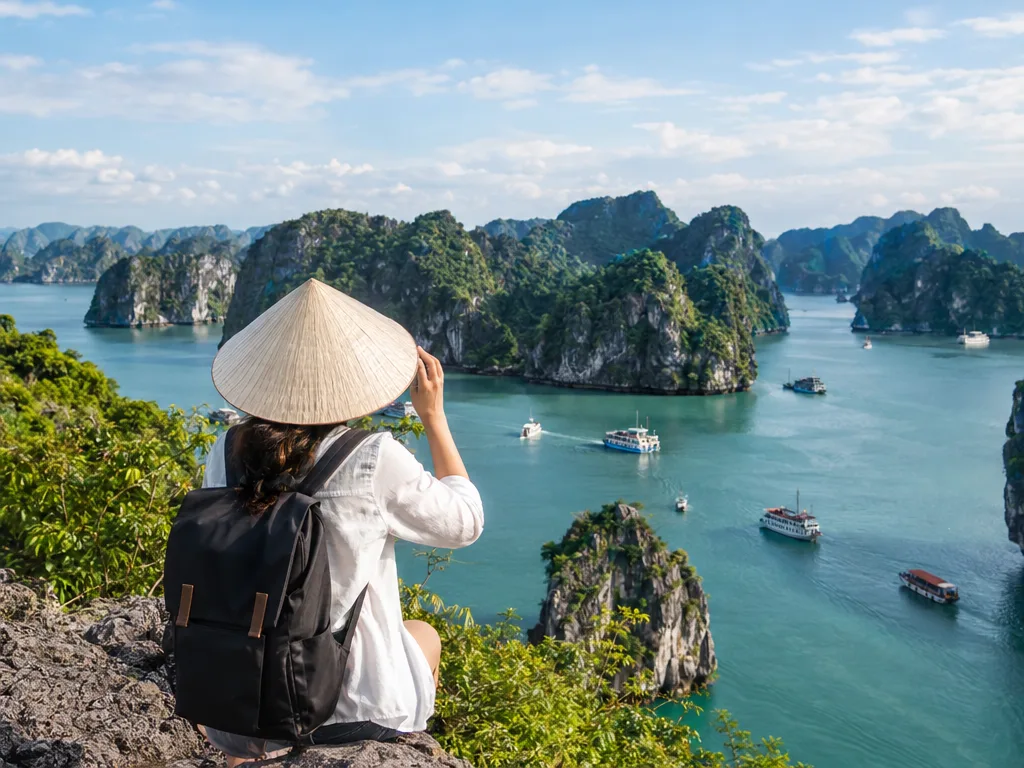
There is no single best time to visit Vietnam for every traveller. The country stretches across distinct climate zones, so the ideal dates for a beach holiday may not suit a mountain trek or a north-to-south itinerary. A better approach is to choose your travel style first, then match your route to the regions with the most comfortable conditions.
This guide focuses on that decision. Use it to compare the best months for beaches, hiking, city exploring, food, cultural sights, festivals, and family travel. Weather is only one part of the answer: school holidays, storm risk, harvest scenery, humidity, and the number of transfers in your itinerary can all change which dates feel best.
Start with the trip you want, not a nationwide calendar
Vietnam’s geography creates different seasons at the same time. Northern destinations can be cool or misty while southern beaches are sunny, and central Vietnam can have a wetter period when other regions are easier to explore. Official Vietnam Tourism guidance describes March to May as a strong countrywide window, but it also stresses that every season has a destination with appealing conditions.
That means a nationwide “best month” is useful only as a starting point. If you have a fixed holiday period, build around the region that works best then. If your destination list is fixed, accept that one or two stops may be humid, rainy, cool, or cloudy and plan activities with some flexibility.
- For a first trip, decide whether north, central, or south is the priority.
- For a single-region holiday, follow that region’s climate rather than Vietnam’s national average.
- For a long route, reduce weather compromises by travelling in a shoulder season and keeping indoor alternatives.
Best time to visit Vietnam for beaches and islands
Beach travellers should choose a coast, not just a month. Vietnam’s shoreline is long, and the most reliable beach conditions move from one region to another.
Southern islands and the southeast coast
Phu Quoc is usually most attractive for a classic dry-season beach break from October through June. Vietnam Tourism describes July to September as stormier, hotter, and more humid, with conditions that can affect beaches and boat travel. December through April is especially straightforward for travellers who want sunny days and warm water without making weather the centre of every decision.
For Ho Chi Minh City combined with an island stay, the dry-season months can make the overall trip easier. Keep a flexible plan for showers in the shoulder periods, and check the latest local marine and transport conditions before committing to an excursion.
Central beaches
Nha Trang generally offers a long sunny season, with its wetter period concentrated toward the end of the year. It can work well for travellers who want a beach stop alongside central Vietnam sightseeing. Da Nang and Hoi An are often more comfortable from late winter through summer, while rainfall and occasional storms become more relevant later in the year.
If your priority is swimming and beach time, avoid choosing central Vietnam solely because it is convenient on a map. Compare your dates with the coast you actually want to use, and allow a spare day when a boat, beach, or outdoor plan matters.
Best months for trekking, mountains, and scenery
Mountain travel rewards cooler temperatures and clearer paths, but the best window depends on altitude and the landscape you want to see. Northern Vietnam is cooler than the rest of the country, particularly in the winter months. Sa Pa can be chilly, misty, and cloudy from December to March, while late April offers warmer conditions and clear skies. Early October is a popular scenery window because rice terraces can turn golden before harvest.
For trekking in the north, spring and autumn are often the easiest compromise between heat, rain, and visibility. Summer can bring humidity and storms, which may make steep trails less comfortable. Winter can be atmospheric, but pack for cold conditions rather than assuming a tropical climate.
Mountain scenery is also seasonal in a visual sense. Rice fields, flowering landscapes, cloud cover, and harvest colours do not appear everywhere at once. If a particular photograph or rural experience matters, choose the destination first and verify local conditions close to departure instead of relying on a generic Vietnam weather chart.
Best time for cities, food, and cultural sightseeing
City breaks are more forgiving than beach or trekking holidays because museums, markets, cafés, historic buildings, and food experiences can fill a rainy afternoon. Even so, temperature and humidity change how much you enjoy walking.
Hanoi and northern heritage routes
Hanoi is often comfortable for exploring in spring and autumn. Vietnam Tourism describes April to June and September to December as useful planning windows, while noting that summer can be hot, humid, and rainy and winter can feel surprisingly cold. If you want long walks through the Old Quarter, lakeside areas, and historic sites, the cooler shoulder periods can make a major difference.
The Red River Delta also suits travellers interested in heritage, traditional craft villages, city nightlife, and UNESCO-listed landscapes. A regional route can work well when you want cultural depth without chasing beach weather.
Hue and Hoi An
Central Vietnam combines historic sights with a strong food and river-town atmosphere. Hue’s wetter period can extend from September into winter, while the sunnier period runs broadly from spring through summer. Hoi An is generally warmer and clearer from February to August; later in the year, rain and occasional flooding can affect outdoor plans.
For a culture-first trip, choose dates that leave room for slow mornings and indoor alternatives. A cloudy day can still be excellent for museums, cooking experiences, cafés, and heritage streets, but persistent rain may make cycling, countryside visits, or riverside plans less convenient.
Best time for festivals, markets, and local life
Festival travel can be rewarding, but it requires a different planning method. Dates may follow lunar calendars, popular periods can increase demand, and opening hours or transport arrangements may change. Treat a festival as the reason for your trip only after confirming the exact year’s dates through an official organiser or tourism source.
For everyday local life, shoulder seasons can offer a comfortable balance. Markets, neighbourhood food, and ordinary city rhythms are available throughout the year, so you do not need to build a trip around a major event. If you prefer a quieter itinerary, avoid assuming that the most famous holiday period is automatically the most enjoyable; it may also be the busiest and least flexible.
Food-focused travellers can travel in any season, but weather still shapes the experience. Cooler northern months make walking and street-food stops pleasant, while southern dry-season evenings are well suited to open-air dining. In wet periods, group several food activities near your accommodation and keep transport time modest.
Best time for families and first-time visitors
Families and first-time visitors usually benefit from predictability more than perfect skies. Choose a season with manageable heat, limit long transfer days, and avoid an itinerary that depends on a single boat trip or mountain road.
- Prioritise two or three bases instead of crossing the entire country in a short holiday.
- Choose accommodation with a comfortable indoor common area for rainy or very hot afternoons.
- Schedule outdoor sightseeing early, when temperatures are usually easier to manage.
- Keep one flexible day before an important flight or long-distance connection.
- Carry light layers for northern winter travel and rain protection in humid seasons.
March to May can be a practical compromise for a multi-region first visit, but do not treat it as a guarantee of identical weather everywhere. Families may prefer a shorter route focused on Hanoi and the north, central Vietnam, or the south rather than trying to cover all three climate zones.
How the rainy season should change your itinerary
Rain does not automatically mean a bad trip. In much of Vietnam, showers can be intermittent rather than continuous, and a wet forecast may still include useful dry periods. The important question is whether your plans depend on exposed coastlines, mountain trails, ferries, or roads that are difficult to replace.
Use a simple weather-risk check before booking:
- Which activities are impossible or unpleasant in heavy rain?
- Can you swap the order of your stops if a storm affects one region?
- Do you have indoor alternatives in each base?
- Could weather disrupt a cruise, ferry, flight, or final-day transfer?
- Are you comfortable with heat and humidity even when the skies are clear?
For uncertain periods, book the least flexible parts carefully and leave the most adaptable sightseeing for later. Recheck official weather and transport information close to travel, especially for coastal and island excursions.
A practical month-by-month decision framework
Rather than memorising a rigid calendar, use these broad patterns:
- December to March: promising for southern beaches and city travel, but northern Vietnam can be cool, misty, or cold and central Vietnam may be wet.
- April to June: one of the strongest all-round periods, with good options for northern scenery, central coast travel, and multi-region routes; heat builds toward summer.
- July to August: workable for central beaches and some northern trips, but expect heat, humidity, and rain in several regions; storms can affect plans.
- September to November: attractive for northern cities and mountain landscapes, while central Vietnam becomes more exposed to rain and storms; southern areas move toward a wetter pattern before the dry season returns.
These are planning patterns, not promises. Vietnam’s weather varies by destination, elevation, coast, and year. Use the framework to narrow your choices, then check the specific places on your route.
How to choose your final travel dates
Write down your top three priorities and rank them. For example, you might choose “dry beach days, Hoi An food, and comfortable walking.” Then select the region that best satisfies the first priority and test whether the rest of the route is realistic in the same period.
Finally, compare the cost of a weather compromise with the cost of changing the route. A rainy afternoon is often manageable; a trip built around a cancelled cruise, flooded walking route, or exhausting transfer is less so. The best time to visit Vietnam is the period that supports the experience you value most while keeping enough flexibility for real-world weather.
Final takeaway
Choose Vietnam travel dates by region and travel style rather than searching for one perfect nationwide month. Spring and early summer can be strong all-round options, northern mountains often reward spring or autumn, central beaches have their own rhythm, and southern islands are usually easiest in the drier months. Match the season to your priorities, build a flexible route, and use current local forecasts before departure.

JOIN THE CONVERSATION
Comments (0)
No comments yet. Be the first to share a thought.