
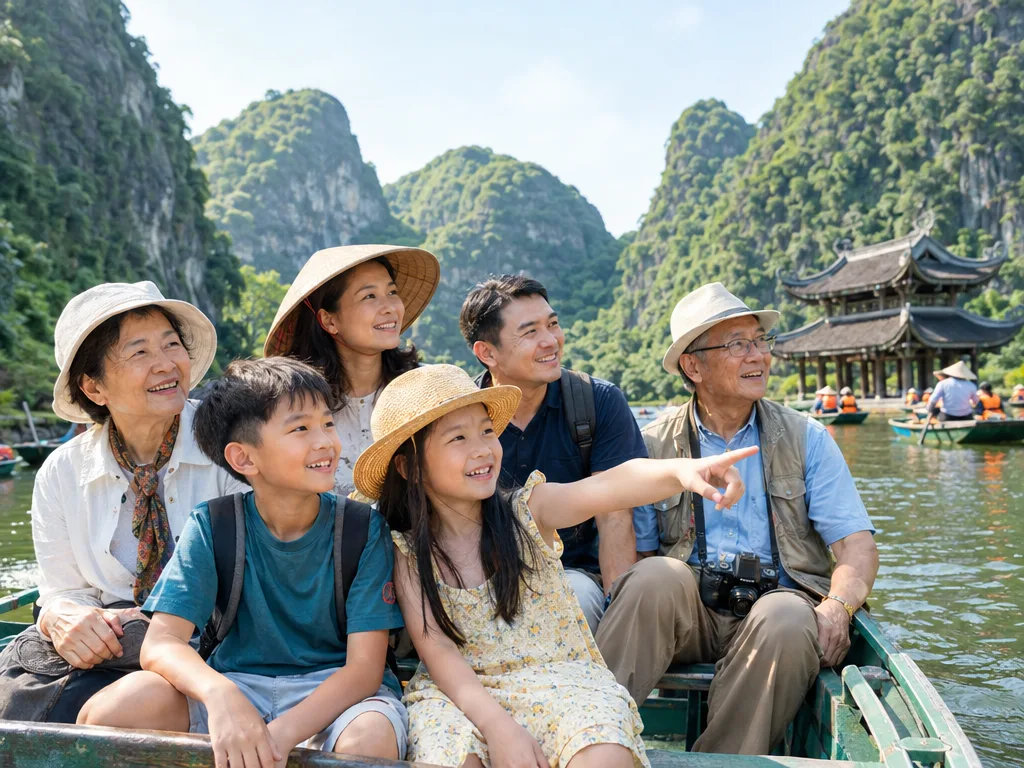
Vietnam can work remarkably well for a multigenerational holiday, but the best family trips are designed around energy, comfort, and shared time rather than a long list of attractions. Travelling with grandparents, children, and adults means every day needs more than one speed: an engaging outing, a reliable place to rest, and an easy alternative when weather or tiredness changes the plan. This guide explains how to plan Vietnam family travel with grandparents without turning the trip into a rigid schedule.
Start with the family’s real travel rhythm
Before choosing destinations, agree on what a good day feels like for the whole group. A family may want food and culture, while grandparents may value shade, seating, short walks, and a quiet room. Children may need a beach, pool, or hands-on activity. The planning goal is not to make everyone do everything; it is to create enough overlap that the group shares the important moments and can split briefly when interests differ.
- Ask each traveller to name two must-do experiences and two clear limits.
- Separate “everyone together” activities from optional activities for smaller groups.
- Build one low-demand day after each major transfer or unusually early start.
- Choose a flexible meeting point so nobody feels obliged to keep the same pace all day.
Use the official tourism board’s family destination overview as inspiration, not as a checklist. It highlights a wide range of settings, from Hoi An and Phu Quoc to Nha Trang and the Mekong Delta, which makes it easier to match a destination to your group instead of forcing one route on every family.
Choose fewer bases and make transfers easier
Multigenerational Vietnam travel is usually smoother when you stay longer in fewer places. Changing hotels involves packing, waiting, finding transport, checking rooms, and re-establishing routines. Those tasks are manageable for a young couple but can be tiring for older adults and small children.
For a first family trip, consider two or three bases rather than trying to cover the entire country. A north, central, or south focus can each work; the best choice depends on flight connections, weather, and the family’s interests. A route built around Hanoi and Ninh Binh, Da Nang and Hoi An, or Ho Chi Minh City and a nearby Mekong Delta base can provide variety without daily repacking. If beaches are the priority, one coastal base plus one cultural base may be enough.
Allow a buffer around every transfer. A journey that looks short on a map may include hotel checkout, a station or airport, luggage handling, traffic, and a new check-in. Put the most important group activity on the day after arrival, not immediately after it. If you are combining regions, consider a domestic flight for time-sensitive long distances and reserve trains or road travel for journeys where the scenery and onboard comfort suit your group.
Match transport to comfort, not just price
Vietnam offers flights, trains, buses, taxis, cyclos, bicycles, and motorbikes. The right option depends on the route, luggage, sleep patterns, mobility, and tolerance for uncertainty. The official tourism transport guide notes that distances between major regions can be substantial and that flights may save time on a short holiday, while trains provide a slower overland experience with seating and sleeper choices.
For long regional journeys
- Use a flight when preserving a full day at the destination matters more than the journey itself.
- Choose a train when grandparents enjoy scenery, the group values room to move, and the route fits your timetable.
- Treat sleeper buses cautiously for a mixed-age group: check boarding times, berth arrangements, luggage handling, and the ability to make comfort stops before booking.
For city and local travel
Pre-arrange airport and hotel transfers when possible, especially for a late arrival or a group with several bags. For short outings, book vehicles large enough for everyone to sit comfortably rather than splitting the group into uncertain rides. Ask the accommodation whether the driver can meet the group at the correct entrance and whether the vehicle can wait during an activity.
Motorbikes can be useful for experienced riders, but they should not be the default solution for a family with older adults or young children. Keep walking routes short, use shaded breaks, and remember that a “nearby” attraction may still involve uneven pavements, stairs, heat, and traffic crossings.
Book accommodation for recovery time
For family travel with grandparents, the room setup can matter more than a dramatic view. Look for a property that makes the daily routine simple: reliable access to food, a practical lift or ground-floor option, quiet sleeping arrangements, and enough space for everyone to get ready without blocking the room.
- Confirm the number of beds, room configuration, and whether adjoining rooms are actually available.
- Ask about stairs, lifts, bathroom access, shower thresholds, and the distance from reception to the room.
- Choose a neighbourhood where the group can reach a café, pharmacy, convenience shop, or simple meal without a long transfer.
- Prioritise a pool, courtyard, balcony, or lounge when an easy rest option will help the group stay together.
- Request quiet rooms away from lifts, bars, or busy roads if light sleepers are travelling.
Do not assume that a “family room” solves every need. A larger room may still have one bathroom, limited seating, or beds that are difficult to access. Send the property a concise written list of requirements and ask it to confirm what is available before paying a non-refundable rate. Keep the booking message and confirmation accessible to the lead organiser.
Plan days with a shared core and optional edges
The most reliable family itinerary has a shared core: perhaps breakfast, one main outing, lunch, and an early return. Around that core, add optional edges. Teenagers may continue to a market, adults may take a cooking class, and grandparents may return to the hotel for a rest without anyone feeling that the day has failed.
A useful pattern is “one anchor, one easy extra.” The anchor might be a heritage walk, a boat trip, a beach morning, or a museum. The easy extra could be a café, a short riverside stroll, or time at the pool. Avoid stacking several ticketed attractions with fixed entry times; one delay can make the entire day stressful.
Examples of adaptable family days
- Hoi An: a short Ancient Town visit in the cooler part of the day, lunch, then a choice of beach, rest, or a gentle countryside activity.
- Da Nang: one coastal outing with a flexible return time, leaving room for a café stop or hotel pool rather than adding another distant attraction.
- Phu Quoc: a beach or resort morning, a quiet lunch, and an optional village, market, or sunset outing for the people who still have energy.
- Cần Thơ: an early river experience for those who want it, with a later start or relaxed riverside time for anyone who prefers not to wake before dawn.
These are planning patterns, not promises about access, weather, or operating times. Confirm the practical details with the hotel or activity provider close to the travel date.
Protect older travellers from heat, fatigue, and rushing
Vietnam’s climate varies by region and season, and a comfortable plan in one destination may feel demanding in another. Put outdoor walking earlier or later in the day when conditions are more comfortable, and schedule indoor or shaded breaks before anyone becomes exhausted. Carry water, sun protection, hats, and a light layer for strong air conditioning, but keep the advice general and follow each traveller’s own medical guidance.
Ask grandparents what “too much” feels like before the trip. It may be standing in a queue, climbing steps, sitting in a low vehicle, walking on uneven paving, or being away from a bathroom for too long. Turn those answers into design rules. For example, book a seat whenever possible, avoid back-to-back walking tours, and choose an outing with a clear early exit.
Keep essential medicines in hand luggage and carry a simple record of prescriptions and emergency contacts. Do not rely on one person to remember every detail. A shared, secure trip note can hold hotel addresses, transport confirmations, allergies, and the day’s meeting point.
Make food and downtime part of the itinerary
Food is one of Vietnam’s strongest family experiences, but group preferences can vary. Start with familiar meals when everyone is tired, then add new dishes in smaller steps. Let children and older adults choose at least one dependable option each day, while adventurous eaters can order additional dishes to share.
Build in time for breakfast and hydration rather than treating meals as gaps between attractions. A late lunch can make the afternoon harder for the whole group. Ask restaurants about seating, spice levels, ingredients, and the time needed to serve a large table. Keep snacks available for transfers and queues, especially for children who cannot wait comfortably.
Downtime is not wasted time. A quiet afternoon can be the reason everyone enjoys the evening market, family meal, or next day’s excursion. When comparing hotels, consider whether staying in is pleasant enough to count as a real option.
Create a simple group operating system
Large families lose time when decisions, tickets, and directions live in one person’s phone. Give the trip a lightweight system before departure.
- Nominate one daily coordinator, but rotate small jobs such as checking the room, confirming the vehicle, or carrying the printed address.
- Use one family chat for live updates and one shared note for confirmed plans.
- Set a daily meeting point and a simple rule for what happens if someone gets separated.
- Keep a small cash and document plan that does not depend on one wallet or one phone.
- Share the next morning’s departure time the evening before, then confirm it again at breakfast.
Give children a role too: they can check the snack pouch, choose between two activity options, or photograph the day’s shared memory. Participation reduces boredom and helps the trip feel like a family project rather than an adult schedule.
Use a pre-departure checklist for the whole group
- Confirm passports, entry documents, insurance details, and the names on every booking.
- Check whether each traveller can manage the planned walking, stairs, transfers, and climate.
- Share accommodation addresses in both English and a form that can be shown to a driver.
- Ask airlines, hotels, and activity providers about assistance or special arrangements directly.
- Download maps, booking confirmations, and important contacts for offline access.
- Pack a small day bag with water, medication, tissues, sun protection, snacks, and a spare layer.
- Leave at least one uncommitted block in every two or three days.
Recheck current entry, health, transport, and venue information before departure because policies and operating conditions can change. A careful family plan is not about predicting every problem; it is about making the next decision easy when the group is tired.
Final approach: design for togetherness, not uniformity
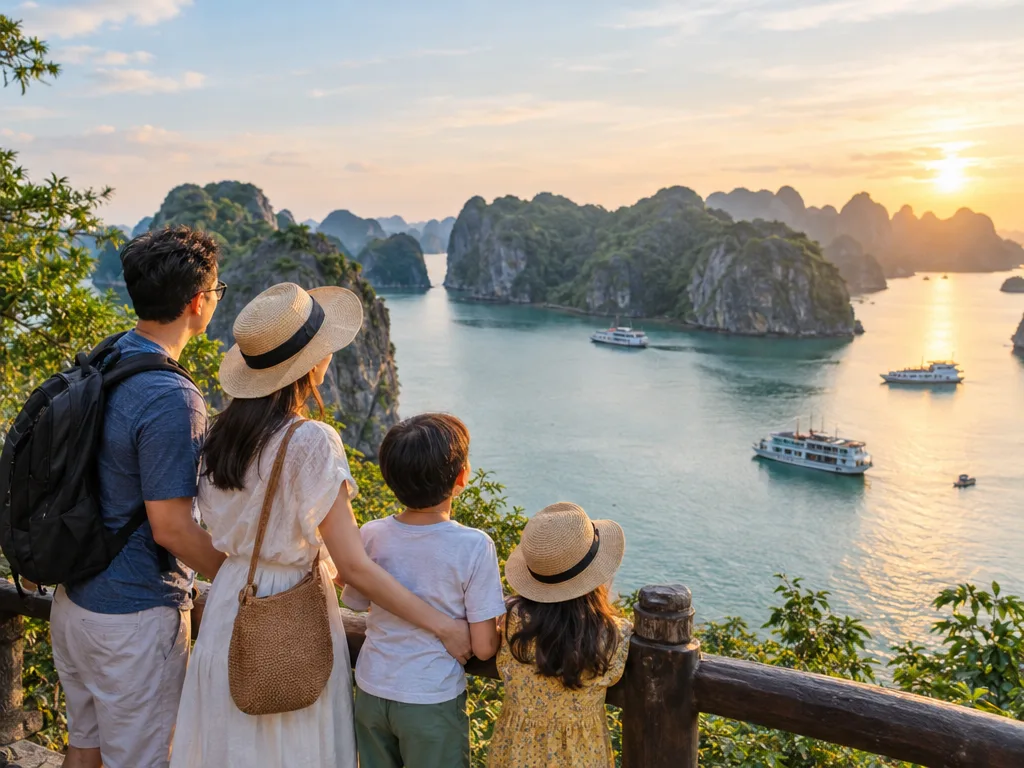
The best Vietnam family travel with grandparents gives every generation a comfortable way to participate. Choose fewer bases, make transfers deliberate, book rooms for recovery, and structure days around one shared highlight with optional extras. When the plan leaves room for rest, the group can be more spontaneous, more patient, and more present with one another. That is what turns a complicated multigenerational trip into a memorable family holiday.
JOIN THE CONVERSATION
Comments (0)
No comments yet. Be the first to share a thought.